Note from the Rector
Dear Friends,
My college chaplain was asked to pray before commencement exercises one year at the University of Alabama. In a playful manner, the head of the Campus Ministry Association challenged him not to use one of those "canned Episcopal prayers" from the Book of Common Prayer. And in a somewhat playful manner, my college chaplain began the prayer saying, "Our Father, who art in heaven…"
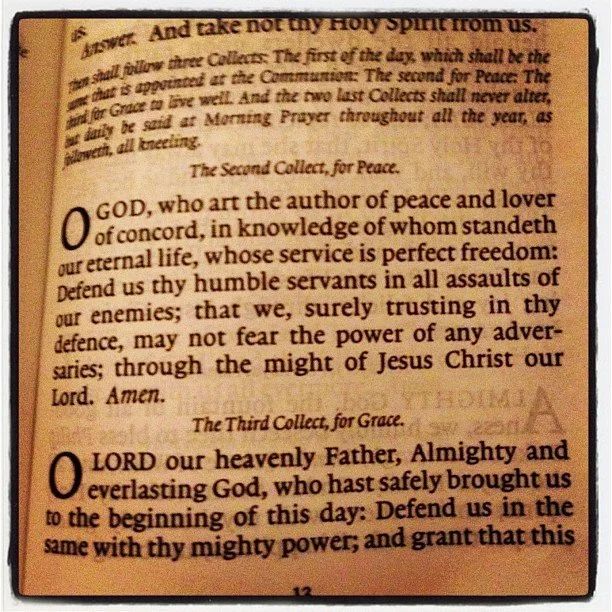
One of the many things I find beautiful about the Episcopal faith is our prayers. The Book of Common Prayer is full of them. We have prayers for just about every occasion – Before a Meal, After Communion, For the Nation, For our Enemies, and the list goes on. Sometimes these prayers are called collects (KOL - ekts).
The word collect comes from the Latin word collecta, meaning "a gathering." So, in a very real way, these prayers collect our hearts and minds toward the heart and mind of God. They are meant to bring us to attention. In particular, the collects in the prayer book anticipate the theme that runs through the scripture readings for the day.
On the First Sunday of Advent, for example, we pray for "grace that we may cast away the works of darkness, and put on the armor of light," words drawn directly from Paul's letter to the Romans, which we hear that same morning. Some collects connect to the scripture themes better than others, but when they do, the collect becomes a kind of doorway into the readings.
These collects have been written by faithful men and women from generation to generation. Many of the most beloved, including that Advent collect, were written by Archbishop Thomas Cranmer, the author of the first Book of Common Prayer in 1549.
Others of Cranmer include the collect for Ash Wednesday, which begins, "Almighty and everlasting God, you hate nothing you have made," and the collect asking God to help us "hear, read, mark, learn, and inwardly digest" the Holy Scriptures. But you don't have to be a theologian or an archbishop to write collects. You can write them too!
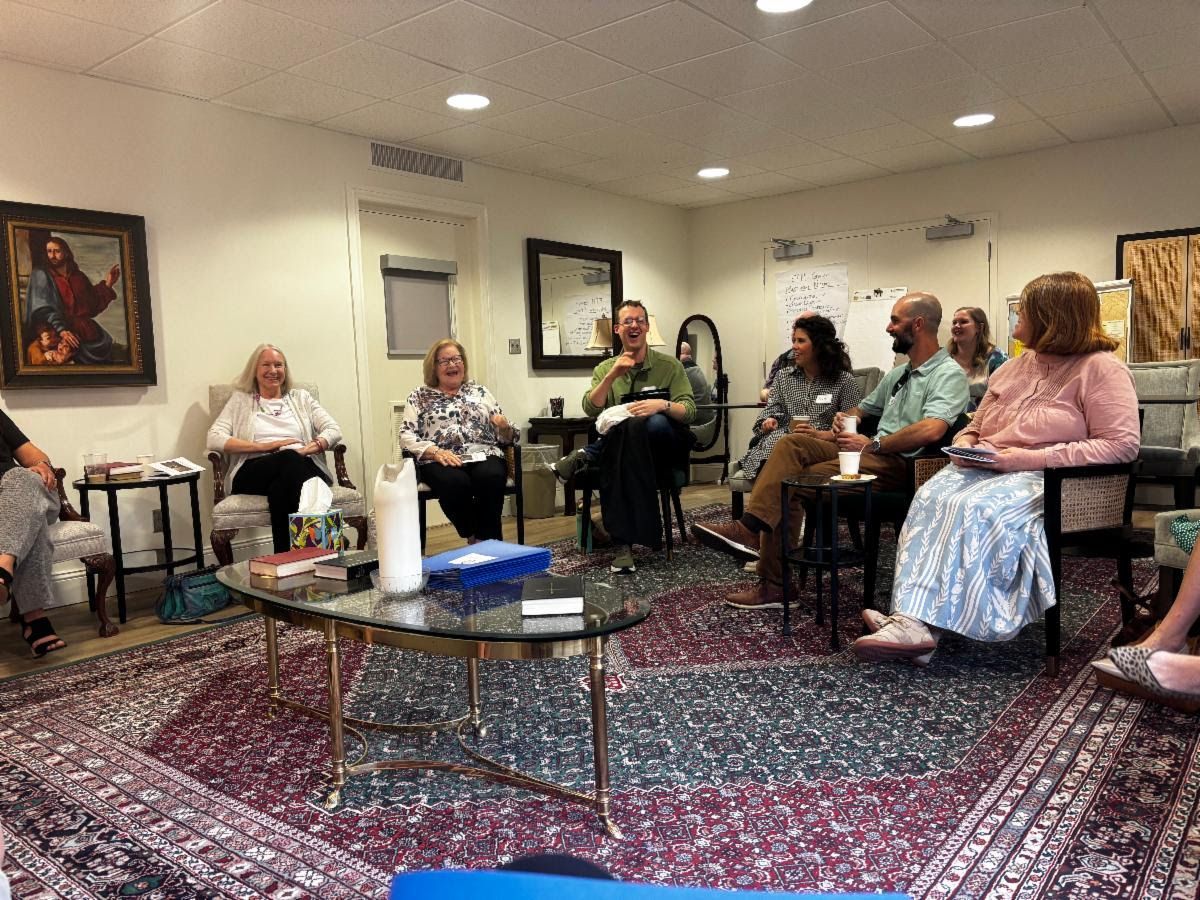
In fact, you'll have the chance to write them this Sunday morning at 9:30 a.m. in Ware Hall for our final "Teach Them to Pray" Adult Formation class. Most collects follow a five-part pattern: Address (Almighty God…), Acknowledgment (who has given us grace…), Petition (grant that we…), Purpose (that we may…), and Conclusion (through Jesus Christ our Lord, who lives and reigns…).
Those "canned Episcopal prayers" have a way of becoming part of us. We say them so often that they shape how we see God, ourselves, and the world. Join us as we learn to write our own, and discover how the prayers of the Church can teach us to pray.
Faithfully,
Jack+