Note from the Rector
Dear Friends,
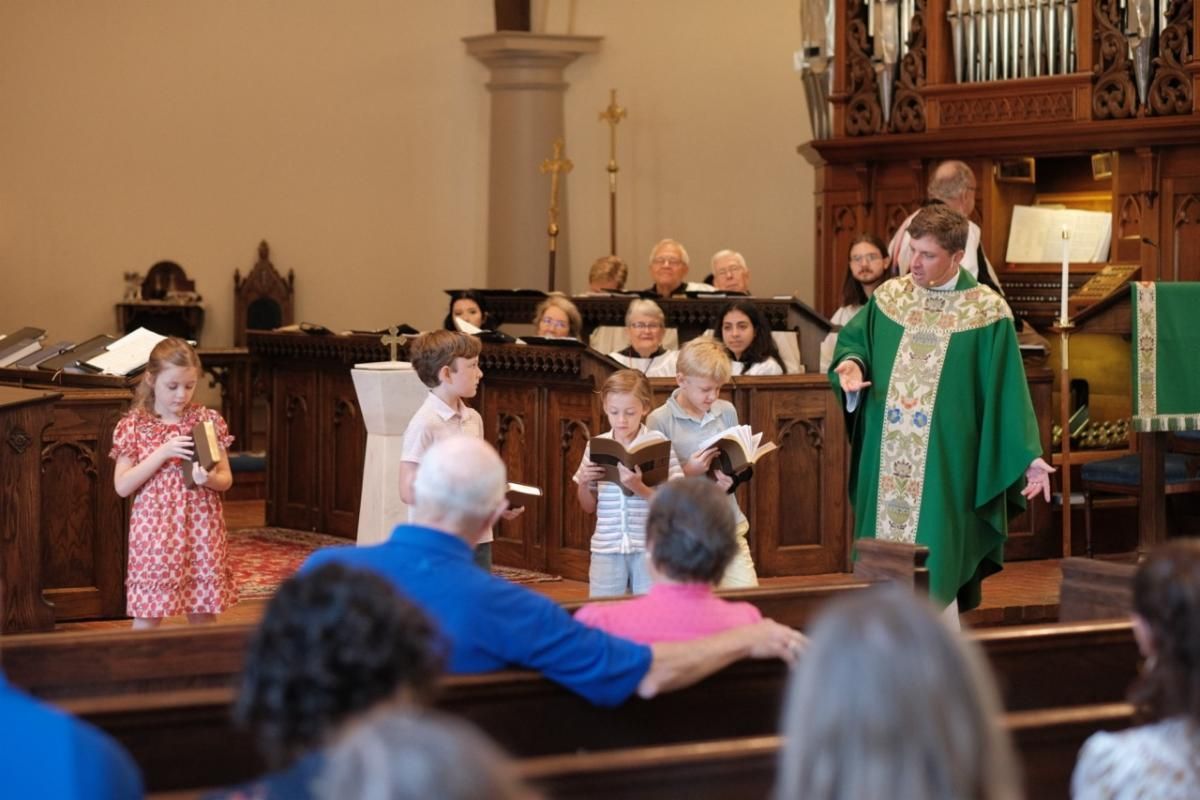
This past Sunday, Bibles were presented to our third graders. The children immediately began flipping through the pages. And one of them even began reading the scriptures aloud! My initial thought was, "O Lord, what have we done?" Grownups have a hard enough time understanding these stories. How can we possibly expect these young people to?
For starters, Jesus himself reminds us that unless we receive the kingdom of heaven like a child, we will never enter it. The youngest among us, after all, are often the most willing to simply take the truth as it is — to receive it without needing to bend it to fit their worldview. Their imaginations still run wild with possibilities and wonder. We adults are the ones who like to complicate things, twisting the story to fit our own narrow agendas instead of the infinite possibilities of life with God.
Secondly, the Bible isn't a book. It's a collection of books capturing the stories of our faith, passed down from generation to generation. Inspired by God, these stories are meant to shape us toward the life, death, and resurrection of Jesus Christ, ultimately re-creating us in the image of God. Ultimately, the Bible is less about giving us information about God and more about forming us to be God's people.
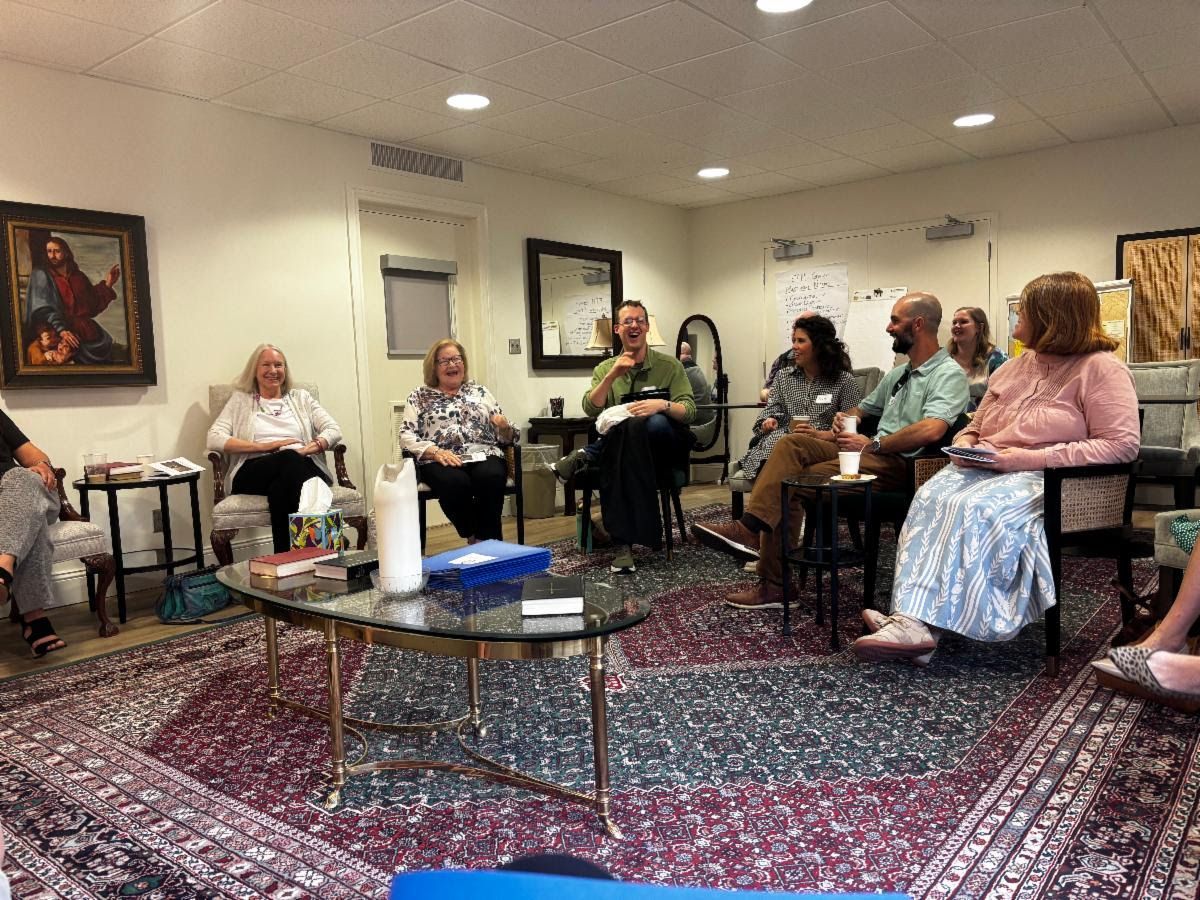
Finally, the Bible was never meant to be read alone. For most of its history, it has been read and understood in community, trusting the Holy Spirit to work through the gathering. Right now, in Club 345 (3rd–5th grades) on Sunday mornings, our children are learning how the Old Testament was written and compiled, and how its books fit together to tell the story of God and God's people.
So in some small way, we at Ascension are helping our children learn to understand the words of scripture. But we only have 45 minutes a week. The real work happens at home — around dinner tables, at bedtime, in the ordinary moments of life.
So how do we do that work at home? If you're like most Episcopalians, opening the Bible can feel intimidating. There are good tools to help, including your clergy. One tool I've found especially effective in recent months is the BibleProject, whose mission is simply to help people experience the Bible — not just read it. Check it out.
If we are honest, those third graders aren't the only ones who don't fully comprehend what we are holding. None of us really do. But that's the point. The Bible was never meant to be mastered. It's meant to be opened, again and again, as a window into the life of God. So we can experience God, and so that we may grow in relationship with the God who is opening our eyes to the kingdom revealed through the reign of Christ.
So maybe my first thought was wrong. It's not "what have we done?" It's "thanks be to God. They have begun!"
Faithfully,
Jack+